Wedding Card Illustration: A Hand-Painted Touch for Invitations & More
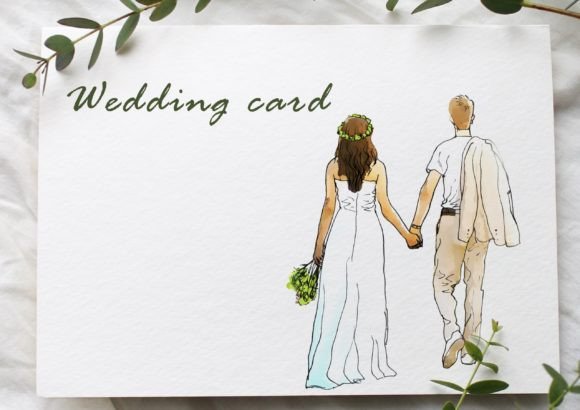
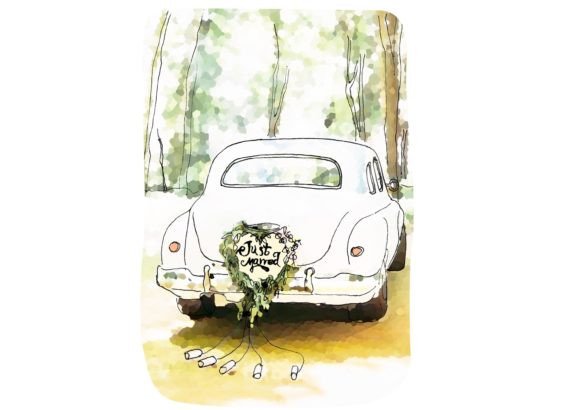
Finding that perfect visual element for a wedding invitation can feel like a search for a needle in a haystack. You want something that feels personal, elegant, and timeless—not a generic clip-art symbol. That’s where a thoughtfully crafted Wedding Card Illustration comes in. Imagine a delicate floral wreath or a charming venue sketch, rendered with the soft, organic texture of freehand drawing and a subtle watercolor wash. This isn’t just a graphic; it’s a piece of art that brings warmth and authenticity to any project it touches.
The real power of this illustration style lies in its versatility. While it’s an obvious choice for wedding invitations and posters, its hand-painted aesthetic has a unique ability to elevate a wide range of creative work. Think beyond the envelope. This kind of illustration can become a cornerstone of a brand’s visual identity for a boutique wedding planner, add a human touch to a blog about home decor, or serve as a beautiful hero image for a small business website selling artisan goods. The provided files in both JPEG and PNG formats, along with linework and colored versions, give you the flexibility to adapt the art to any background or medium.
A Style That Speaks Volumes
What makes a freehand, watercolor-effect illustration so compelling? It’s the imperfection. In a world saturated with polished, vector-based graphics, the slight irregularity of a hand-drawn line and the gentle bleed of a watercolor edge convey a sense of craftsmanship and care. This style communicates emotion directly. For a wedding, it suggests romance, intimacy, and celebration. For a brand, it can signal approachability, creativity, and a commitment to quality.
Consider the difference this makes in practical applications. A logo for a floral designer using a Wedding Card Illustration element immediately feels more bespoke and artistic than one using a standard symbol. On social media, a post featuring this kind of illustration stops the scroll because it feels different—more personal and less corporate. For packaging, especially for products like handmade soaps, candles, or gourmet treats, it adds a layer of perceived value and thoughtfulness that resonates with customers.
From Wedding Invites to Brand Identities
The applications for this style of illustration are surprisingly broad, extending far beyond the wedding industry. Here’s how different professionals can put it to work:
- For Branding & Logo Design: A wedding planner, event space, or florist can integrate these illustrations into their logo suite, website graphics, and business cards to establish a cohesive, elegant brand identity.
- For Packaging & Merchandise: Small business owners selling artisanal products can use the illustrations on labels, tags, or box designs to create a shelf presence that feels premium and handmade.
- For Digital Content & Marketing: Bloggers, content creators, and marketers can use the graphics for blog post headers, email newsletter banners, or social media ads to create a consistent, visually appealing aesthetic that builds recognition.
- For Editorial & Print Layouts: The linework version is perfect for magazine features, book chapter headings, or as decorative elements in a printed lookbook, adding visual interest without overwhelming the text.
- For Personal Projects: Crafters and hobbyists can use the PNG files for scrapbooking, custom stationery, or creating unique gifts, making personal projects feel professionally designed.
The key is to match the illustration’s personality to your project’s goals. The soft, romantic watercolor effect is ideal for projects aiming for elegance and warmth. The clean linework version offers a more modern, versatile look that can be colored to match any palette.
Practical Tips for Seamless Integration
Using a Wedding Card Illustration effectively is about more than just dropping it into a design. Here’s how to make it work for you:
- Consider the Context: Is your project formal or casual? A full-color watercolor illustration might be perfect for a romantic wedding invite, while a simplified linework version could be better suited for a minimalist website header.
- Pair Typography Thoughtfully: This is where many designers get stuck. The organic, flowing nature of the illustration pairs beautifully with certain font styles. Try combining it with a serif font for classic elegance, a clean sans serif font for modern balance, or a script font for added romance. Avoid overly decorative or bulky fonts that compete for attention.
- Test for Readability: If you’re overlaying text on the illustration, ensure there’s enough contrast. Using the PNG file with a transparent background allows you to place the art over a solid color or photo, then set your text in a clear, readable typeface on top.
- Use the Included Assets Wisely: Don’t overlook the value of having both colored and linework versions. The linework can be used as a subtle background texture, a watermark, or a base for your own custom coloring to match a specific brand palette.
- Check the License: For any commercial project—from client work to products for sale—always verify that the illustration comes with a license that permits such use. This is a critical step for protecting your work and your business.
Ultimately, a high-quality illustration like this is more than just a design asset; it’s a tool for storytelling. It helps you communicate a specific feeling—whether that’s the joy of a wedding, the care behind a handmade product, or the personality of a brand. By choosing a style that aligns with your message and applying it with intention, you create visuals that don’t just look good, but connect with your audience on a deeper level. The goal is to find that one element that feels right, and then use it consistently to build a visual world that is uniquely yours.