Elegant Floral Vectors for Wedding & Brand Design
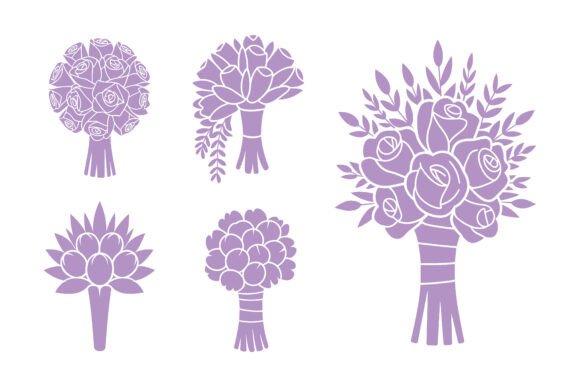
There is a specific moment in a wedding photo that captures the essence of the day—often, it is the bride holding her bouquet. That lush arrangement of flowers represents romance, new beginnings, and delicate beauty. For designers and creatives, capturing that fleeting elegance in a digital asset can be a game-changer for their projects. This is where high-quality vector art becomes indispensable. Unlike standard raster images that pixelate when scaled, a Romantic Wedding Bouquet Vector Design offers infinite scalability, ensuring that whether you are printing a massive backdrop or scaling down for a favicon, the lines remain crisp and the details pristine. It is not just a picture of flowers; it is a versatile tool for visual storytelling.
The Power of Clean Lines in Floral Illustrations
When working with floral elements, the quality of the line work determines the mood of the final product. A meticulously crafted vector illustration removes the noise and clutter often found in stock photography. Instead of dealing with the unpredictable lighting of a real photo, you are presented with clean, intentional shapes. This allows the design to breathe. The vector format ensures that every petal, leaf, and stem is defined by mathematical paths rather than pixels. This means you have total control over the composition. You can isolate a single rose to use as a standalone icon, or use the entire bouquet as a hero image for a wedding magazine cover.
The visual appeal of this specific design lies in its balance of detail and simplicity. It captures the romantic aesthetic without becoming overly complex or dated. This makes it a timeless addition to your library of design assets. Whether you are working on a vintage-inspired project or a sleek, modern layout, the vector adapts to your vision.
Practical Applications for Entrepreneurs and Creatives
One of the biggest hurdles in creative work is finding assets that are versatile enough to handle multiple tasks. A high-quality floral vector is a workhorse asset. Here is how you can integrate this design into your workflow to solve real-world design problems:
- Brand Identity and Logo Design: For businesses in the wedding industry—planners, florists, venues, and stationery designers—branding is everything. This vector can serve as the foundation of a logo or as a secondary brand mark. Imagine a wax seal stamp for a high-end invitation suite featuring a simplified version of the bouquet. It instantly communicates luxury and attention to detail.
- Packaging Design: If you sell physical products like candles, soils, or artisanal goods, packaging needs to stand out on the shelf. Using the vector elements to create wrap-around patterns or focal points on a box design elevates the unboxing experience. Because the file is scalable, you can print it on a tiny box or a large gift bag without losing quality.
- Social Media and Web Presence: Consistency is key in digital marketing. You can use the floral elements to create a cohesive look across your Instagram grid, Pinterest pins, and website headers. For example, you might use the full bouquet for a blog post header about "Spring Wedding Trends" and then crop a small section of the leaves to use as a background texture for your Instagram Stories. This creates a visual rhythm that keeps your audience engaged.
- Print Materials and Merchandise: Think beyond paper. This design can be applied to tote bags, t-shirts, or mugs. The 100% vector shape ensures that the print quality on merchandise is professional, which is crucial if you are selling these items or using them as corporate gifts.
Customization: Making the Design Yours
One of the primary advantages of working with an EPS file is the ability to deconstruct the artwork. You are not locked into the original composition. In software like Adobe Illustrator, you can ungroup the elements, change the color palette to match your client’s brand guidelines, or remove stems to fit a specific layout constraint.
For instance, if you are designing a wedding invitation for a couple with a "moody" aesthetic, you might want to change the soft pastels of the default design into deep burgundies, forest greens, and blacks. A 100% editable & color-changeable file makes this process seamless. You can also adjust the stroke weights. Perhaps you need a finer line for a delicate business card but a thicker, bolder line for a poster. The vector format accommodates these changes instantly.
This flexibility is vital for maintaining visual consistency across a campaign. You can ensure that the floral elements used on the website match the exact shade of the flowers used in the printed brochure, reinforcing brand recognition and professional presentation.
Integrating Typography with Floral Elements
A beautiful image is only half the battle; it needs to work in harmony with text. When using a Romantic Wedding Bouquet Vector Design, your choice of typography will dictate the overall tone of the piece.
Pairing with Serifs: Traditional serif fonts often pair well with floral illustrations because they share a sense of classic elegance. Think of a wedding invitation using a high-contrast serif like Didot or Bodoni. The sharp serifs of the letterforms complement the organic curves of the flower petals, creating a sophisticated hierarchy.
The Script Factor: Script and handwritten fonts are natural partners for floral art. They mimic the organic flow of nature. However, readability is a concern here. If you are using a flowing script for a headline, ensure the body text is a clean, legible sans-serif. This contrast ensures the message is communicated clearly while maintaining the romantic vibe.
Modern Minimalism: Don't shy away from pairing this design with a modern, geometric sans serif font. The juxtaposition of a soft, organic bouquet against a rigid, structured typeface creates a contemporary look that is very popular in modern editorial design and minimalist branding.
Ensuring Professional Quality and Scalability
In the world of design, resolution is king. A 300 DPI resolution is the standard for high-quality printing. When you download a package that includes high-resolution JPGs and scalable EPS files, you are covering all your bases. The JPG is perfect for quick mockups or dropping into a Word document or Canva design, while the EPS is the professional standard for print production.
Consider the longevity of your assets. Trends in graphic design change, but the demand for quality botanical illustrations remains constant. By investing in a vector file, you are creating a library of assets that you can reuse for years. You might use the bouquet for a client's wedding invite today, and five years later, use the same leaves for a botanical skincare brand's packaging. That is the value of a premium font and design asset ecosystem—they pay for themselves over time through versatility.
A Note on Licensing and Usage
Before incorporating any design asset into a commercial project, it is essential to understand the licensing. Most professional vector packages allow for broad usage, but it is always best practice to review the terms. Ensure that the license covers your intended use, whether it is for a physical product you sell or a digital template you offer. Knowing you have the rights to use the design commercially provides peace of mind and protects your business.
Ultimately, the goal of any design project is to evoke an emotion and convey a message. A well-crafted floral vector does exactly that. It brings the beauty of nature into the digital and physical spaces we inhabit, adding a touch of elegance that resonates with viewers. Whether you are a seasoned graphic designer or a small business owner DIY-ing your own marketing materials, having a reliable, beautiful floral vector in your toolkit is an investment in the quality of your brand. It transforms a standard layout into something memorable, professional, and visually striking. Thank you for exploring the potential of this design—may it inspire your next creative masterpiece.