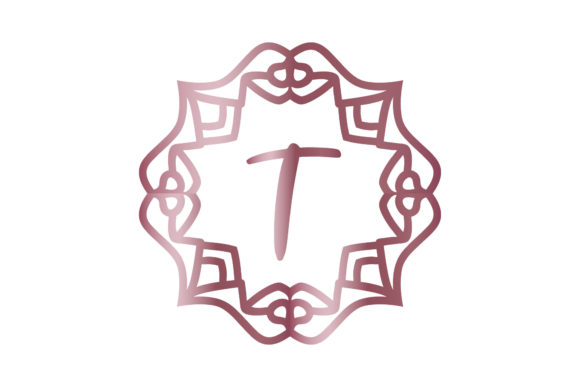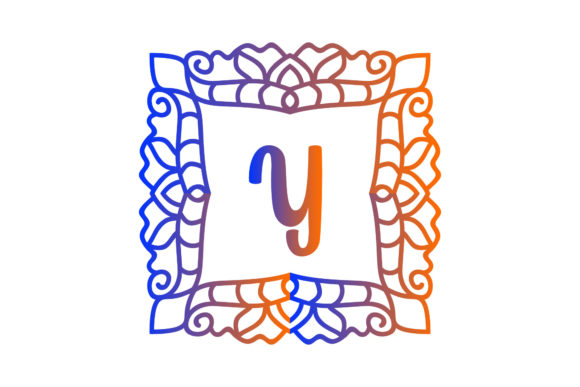
Monogram Invitation Wedding Illustration: Crafting Your Personal Crest
There is a specific kind of magic that happens when a couple’s initials are woven into a piece of art. It transforms a simple letter into a symbol of a shared life. For designers, wedding planners, and stationery creators, the challenge has always been finding assets that feel personal, elegant, and versatile enough to handle the myriad demands of a modern wedding suite. This is where a thoughtfully crafted monogram invitation wedding illustration becomes more than just a file—it becomes the cornerstone of a couple’s visual story. It’s the difference between a generic invite and one that feels like a keepsake, a preview of the celebration’s tone and style that guests will remember long after the day has passed.
What makes a particular illustration set stand out isn’t just its beauty, but its practicality. Consider a toolkit that arrives in five essential formats—AI, EPS, SVG, JPG, and PNG. This isn’t a random assortment; it’s a deliberate choice for the working creative. An AI file offers full editability in Adobe Illustrator, perfect for tweaking anchor points or changing a flourish to match a specific wedding color palette. The EPS ensures compatibility with a wider range of vector software, while the SVG is a web designer’s friend, scalable without a hint of pixelation for digital invitations or a wedding website’s header. The JPG and PNG files provide immediate, ready-to-use assets for social media announcements or quick mockups. With a consistent canvas size of 1920 by 1280 pixels, these files are primed for both digital display and high-quality print, eliminating the guesswork that often accompanies asset preparation.
Beyond the Wedding Day: A Versatile Design Asset
The true value of a premium monogram illustration reveals itself when you look beyond the initial invitation. This is a piece of modern typography that can anchor an entire brand identity. Imagine a small business owner launching a luxury candle line; this monogram, with its intricate lines and balanced composition, could become the foundation of their logo design, lending an immediate sense of heritage and craftsmanship. It translates beautifully onto packaging—embossed on a box lid or printed on a matte paper sleeve. For a content creator or blogger, it serves as a sophisticated watermark for photography or a distinctive mark for a personal brand, instantly elevating the professional presentation of their work.
Its applications in marketing are just as compelling. A high-end bakery could use the illustration on social media graphics to announce a new line of wedding cakes, creating visual consistency across Instagram posts and Pinterest pins. The scalable vector formats ensure it looks crisp on a towering poster for a bridal expo and equally sharp as a tiny favicon on a browser tab. For those selling digital products, like wedding planning templates or calligraphy kits, incorporating this monogram adds a layer of perceived value and cohesion to the product suite. It’s a design asset that works hard, moving seamlessly from print materials like menus and place cards to digital realms like email headers and webinar slides.
Practical Wisdom for Pairing and Presentation
Having a stunning illustration is one thing; using it effectively is another. The first rule is to let the monogram breathe. It’s a focal point, not background noise. When pairing it with typefaces, contrast is your friend. If the monogram has a classic, serif-inspired feel, consider pairing it with a clean, sans-serif font for body text to ensure readability. A script or handwritten font for the couple’s names can add a personal touch, but it should be legible at the size it will be viewed—always test printouts at actual size. The goal is a harmonious hierarchy where the monogram commands attention, the names delight, and the event details inform without strain.
Color is another powerful lever. The provided formats allow for easy color changes in vector software. A monogram in a deep navy against cream paper feels traditional and formal. The same design in a blush pink and gold foil becomes romantic and contemporary. Think about the application: a single-color version might work best for letterpress or engraving, while a full-color digital version can pop on a website. Always consider the medium. What looks breathtaking on a backlit screen might lose definition on textured paper without sufficient contrast. Test your color choices in the context they’ll be used.
Finally, remember the licensing. These assets are designed for commercial use, which means you can confidently use them in projects for clients or products you sell. This is crucial for freelance designers, stationery shops, and creative entrepreneurs who need to build a business on a foundation of legally sound resources. It removes a significant barrier, allowing you to focus on the creative work of matching this beautiful illustration to a client’s unique vision, whether that vision is for a wedding, a brand launch, or a piece of editorial design. It’s not just a file; it’s a key that unlocks a world of refined, personalized creation.